
How to pack a bag efficiently
Pack a practical travel bag with a short checklist, versatile clothes and accessible essentials. Learn where to put heavier items and what to check first.
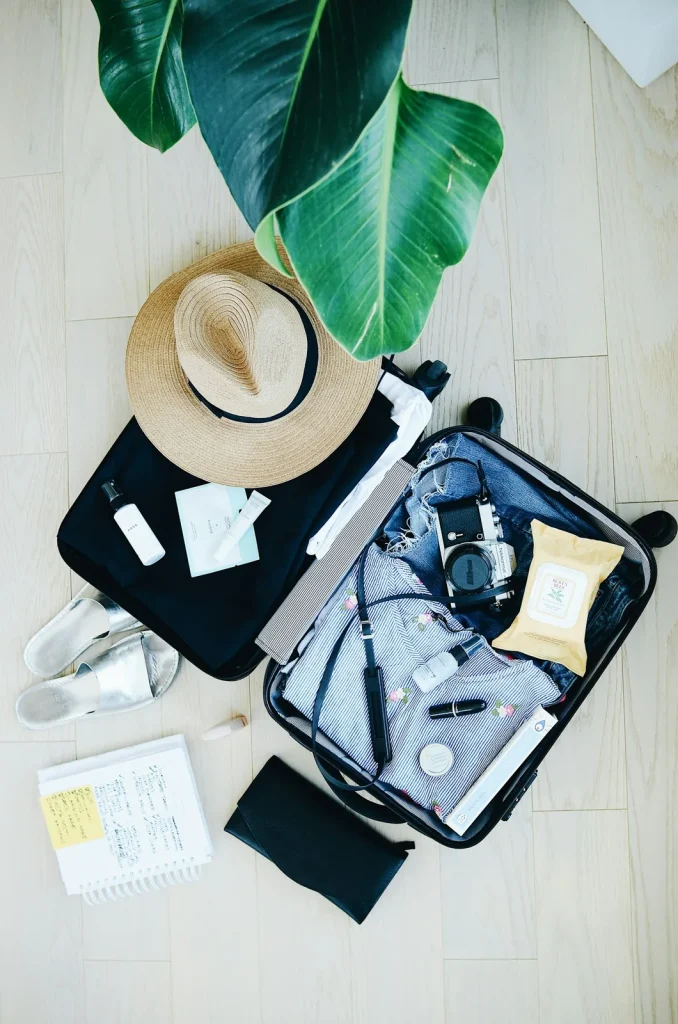
To pack a bag efficiently, make a list for the trip you are actually taking, lay everything out, remove unnecessary duplicates, and pack by weight and frequency of use. Keep documents and journey essentials where you can reach them without unpacking.
The best-packed bag is one you can carry comfortably and use easily. Filling every small gap is less helpful if you cannot find your charger or lift the bag safely.
Check the trip before choosing the contents
Consider the length of the trip, expected weather, planned activities and whether laundry is available. Check what your accommodation provides. A towel, hair dryer or bulky toiletry bottle may be unnecessary, but do not assume it is supplied without checking.
If you are flying, check your airline’s current allowance and the security rules at every relevant airport. Limits for bag dimensions, weight, liquids and batteries can differ. For example, the UK government’s liquids guidance tells travelers to check the departure airport’s rules.
Make a short packing list
- Travel essentials: required documents, tickets, payment methods and booking details
- Clothing: outfits suited to your activities, underwear, socks and suitable layers
- Personal care: toiletries and personal items you actually use
- Health needs: prescribed medicines and any necessary documentation, following travel restrictions
- Electronics: essential devices, compatible chargers and adapters
- Useful extras: a laundry bag, reusable bag or another item justified by your plans
Keep the list on your phone or on paper so you can reuse it. Group it by purpose rather than listing items in the order they happen to come to mind.
Pack step by step
Lay everything out
Place the proposed contents on a bed or table before packing. This makes duplicate items and bulky “just in case” choices easier to see. Separate essentials from optional comforts.
Build a few outfit combinations
Choose clothing that works together. For a short trip, one versatile outer layer may be more useful than several similar jackets. Include clothing for a specific activity when you know you will need it.
Use a mix of folding and rolling
Roll soft casual items if that keeps them manageable. Fold structured or crease-prone clothing with care. Packing cubes can separate categories, but they are optional and do not remove the weight of what you pack.
Place weight thoughtfully
In a wheeled suitcase, put heavier items near the wheels. In a backpack, keep dense items close to your back and reasonably centered. Avoid sharp edges pressing against fabric or your body.
Protect liquids and separate shoes
Close containers securely and put them in a suitable leak-containing pouch. Keep shoes away from clean clothing. Place small items in pouches so they do not disappear between larger items.
Keep journey essentials accessible
Put the items you need in transit in an easy-to-reach compartment. Keep valuables and necessary medicines under your control, following the relevant transport and security rules.
Close, lift and check
The bag should close without forcing the zipper. Lift it and walk a short distance. Recheck size and weight if your transport provider imposes limits. Remove a low-value item if the bag is uncomfortable or overloaded.
Common packing mistakes
Packing for every possible scenario: decide whether an item addresses a likely need or an unlikely worry. Keep essential safety and personal items; reconsider redundant everyday items.
Putting everything useful at the bottom: think about the order you will need things. A rain layer or charging cable may deserve a more accessible place.
Leaving no spare room: a little space makes repacking easier and gives you room for items that will not fold as neatly on the return journey.
Make the next trip easier
After unpacking, note what you used, what you missed and what stayed untouched. Update the list while the trip is fresh in your mind. Add packing to your weekly plan early enough to replace a missing essential without a last-minute rush.
Common questions
Does rolling always save more space?
No. The result depends on the fabric, bag and how tightly you pack. Use the method that keeps each item compact and easy to retrieve.
Do I need packing cubes?
No. They can help separate clothing, especially when you move between places, but simple pouches or careful grouping can work well.